

Technical guide
Heat Therapy Terms: Temperature and Evidence
Heat-therapy wording identifies a thermal concept, not a complete medical claim.
More context
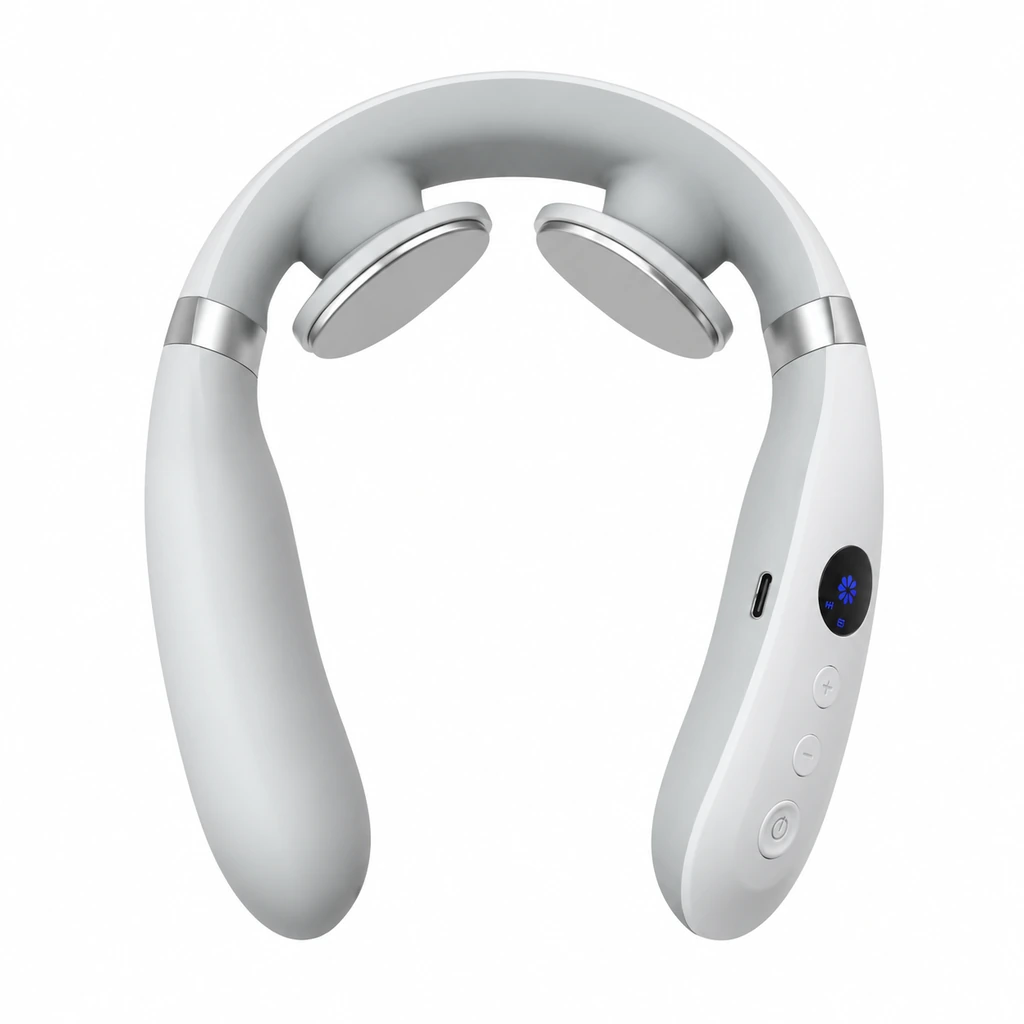
N1 publishes 4 settings at 35°C, 40°C, 45°C and 50°C; F10 publishes heat up to 42°C. These values describe different product configurations. They do not establish one universal contact temperature, suitable duration or clinical outcome.
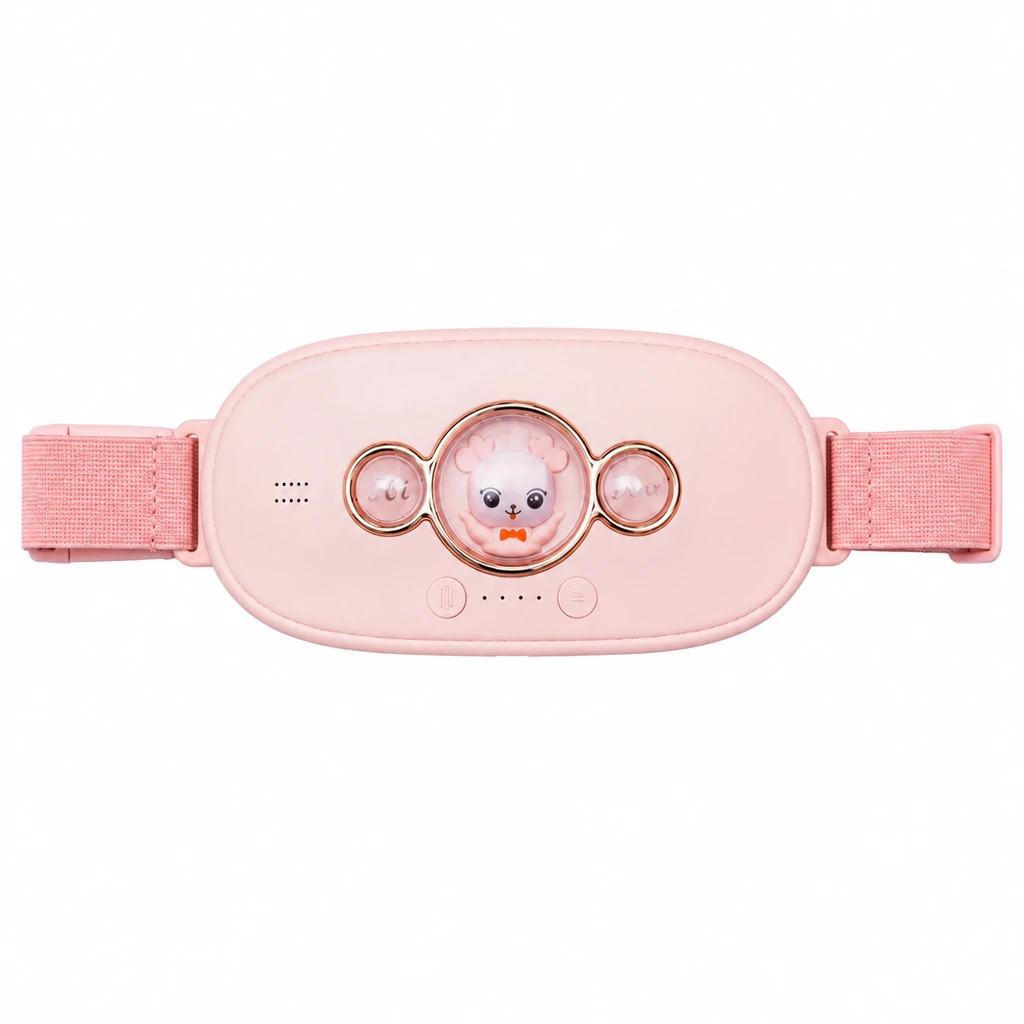 Meilan N1 Smart Heated Waist Belt View model details
Products and selection
Compare relevant models
Buyer facts
Facts to compare
| Parameter | Value or status | Evidence scope |
|---|---|---|
| N1 settings | 35 / 40 / 45 / 50°C | 4 published controls |
| F10 heat | Up to 42°C | Different neck-category configuration |
| F10 timer | 15 minutes | Not a universal heat-use protocol |
Meilan manufacturing profile
Meilan at a glance
Purchasing considerations
Before you order
What the term means
- Heat Therapy Terms
Thermotherapy means the use of heat in a therapeutic context. A consumer warming feature still needs its own permitted purpose, temperatures and instructions; the terminology alone supplies none of them.
Published implementation and related model scope
- Catalog examples
N1 and F10 explicitly publish heating. Their operating values are not interchangeable use recommendations.
Buyer guide
Selection guide
How do the published heating controls differ between N1 and F10?
N1 publishes four discrete temperature settings, whereas F10 publishes a heat-compress value up to 42°C. N1's settings are 35°C, 40°C, 45°C and 50°C, with a waist-and-abdomen form factor and a 2500 mAh battery. F10 is a neck-category pulse-and-heat model with a 400 mAh battery and a fifteen-minute timer. These are different configurations, so the values should not be interpreted as interchangeable instructions. A temperature can refer to a control target or stated operating condition without describing every point across the contact area. The current records do not provide a shared thermal-measurement method, surface map or complete sensor architecture. For a wholesale range, the clear comparison is the published setting structure and product design.
Why is warmth different from an authorized therapeutic outcome?
Warmth is a physical product feature, while a therapeutic outcome is a claim about what that feature achieves. A published temperature does not by itself establish treatment of pain, injury or disease. The actual intended purpose, completed-product evidence and market requirements determine that position. This is why thermotherapy wording should not be treated as permission to add any health promise to a warming consumer device. Contact duration and the recipient's circumstances can also change how heat is experienced. N1's four settings and F10's stated maximum are catalog facts rather than a recommendation to use the highest value or extend a session. Their battery capacities describe stored charge, not a measure of heating effectiveness.
Purchasing FAQ
Common buying questions
Does thermotherapy wording authorize a medical claim?
No. The actual device purpose and evidence determine the permitted claim.
How many heat settings does N1 publish?
N1 publishes 4 settings: 35°C, 40°C, 45°C and 50°C.
Does F10 publish the same four settings?
No. F10 publishes heat up to 42°C rather than N1's four discrete temperature settings.
Does a larger battery prove hotter or better heat?
No. Battery capacity does not establish thermal output or suitability.
Is there a universal safe-contact temperature here?
No. No universal safe temperature or treatment protocol follows from these catalog settings.
Talk to Meilan
Discuss your sourcing brief
Share your target market, model, quantity and branding needs. We will review the right configuration with you.
