

Buyer solution
Physical Therapy Clinic Retail: Buyer Guide
A therapy clinic can compare consumer retail formats while keeping therapeutic claims on a separate evidence track.
More context
F100 lists 10 neck-and-shoulder modes; A1 lists 16 waist-belt intensity levels. The useful purchasing distinction is body area, handoff and warnings. Neither product listing establishes a rehabilitation indication or treatment outcome.
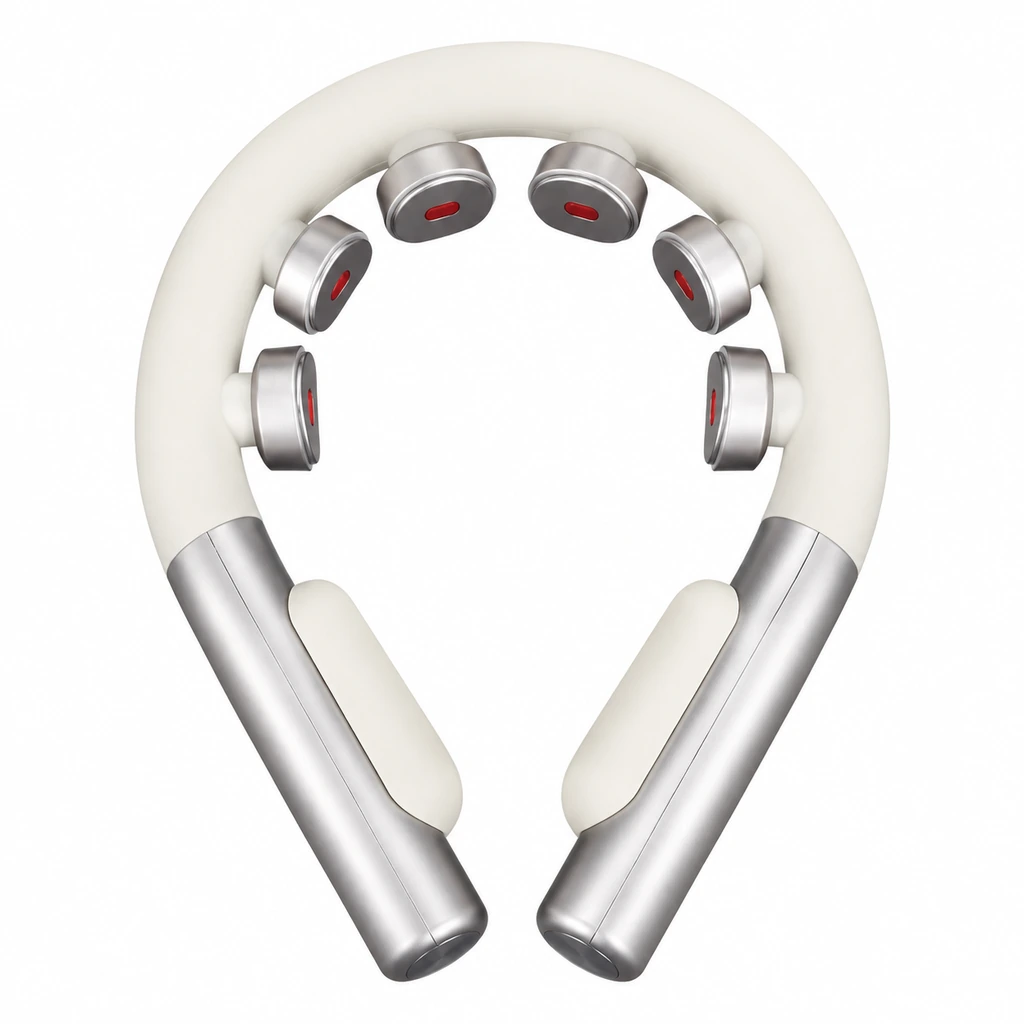 Meilan F100 Smart Electric Neck and Shoulder Massager View model details
Products and selection
Compare relevant models
Buyer facts
Facts to compare
| Model | Product format | Published function |
|---|---|---|
| F100 | Meilan F100 Smart Electric Neck and Shoulder Massager | Low-Frequency Pulse, Hot Compress, Vibration, Red Light |
| A1 | Meilan A1 Smart Pulse Heat Waist Massager | TENS Pulse, Heating, Vibration |
Model functions refer to the current published product records; project terms follow the actual quotation.
Meilan manufacturing profile
Meilan at a glance
Purchasing considerations
Before you order
Illustrative buying package
A discussion structure, not a prebuilt supplier bundle or quoted offer.
- Single-model pilot
Begin with one of F100, A1 and a sample of the exact proposed configuration.
- Multi-option range
Compare F100 and A1 only if each option has clear instructions, pack contents and market documents.
Illustrative purchase scenario
Hypothetical planning example; no customer, order or outcome is implied.
- Use case
A physical therapy clinics buyer narrows the intended channel and recipient group before asking for a model-specific sample.
- Decision point
The final choice turns on the physical product, language, cautions, pack-out and written commercial terms.
Four-step cooperation path
- 1. Define
Set intended use, destination, audience and quantity range.
- 2. Compare
Review the actual model version, sample, controls and current instructions.
- 3. Configure
Agree on packaging, language, artwork and the exact quoted variant.
- 4. Confirm
Set documented terms for price, timing, destination and after-sale responsibility.
Buyer guide
Selection guide
Which device role fits physical therapy clinics?
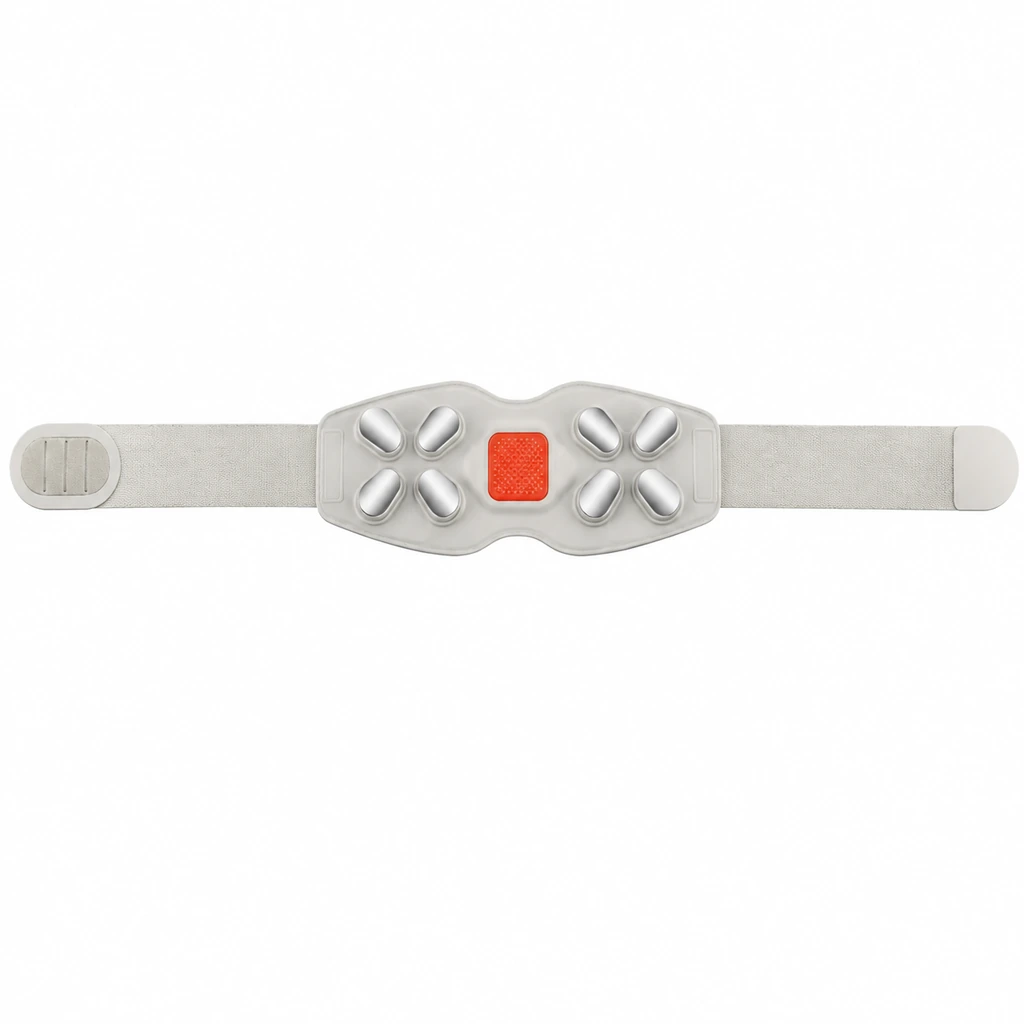
A therapy clinic may stock a sealed personal wellness product, use a sample for education or consider a device for treatment. Those are separate procurement routes. The catalog descriptions support a comparison of physical interaction, but they do not establish a rehabilitation indication. F100 is a wearable neck-and-shoulder product with pulse and heat; A1 is a heated waist belt with remote control. Their body areas, wearing methods and controls differ substantially. A clinic retail buyer can compare F100’s neck wearing position with A1’s waist-belt position and then judge whether either is simple enough for a take-home explanation. That is a usability decision.
How does a therapy clinic buyer turn the shortlist into an order?
For a clinic, the user leaflet, contraindications, cleaning method and after-sale contact are part of the product. A sample handled by multiple people needs a defined hygiene process. Patient-facing selection and any proposed therapeutic use belong under the clinic’s professional oversight. Recovery, rehabilitation and treatment claims are not proven by the current range specifications. For a sealed retail item, the clinic needs a current manual, warning language and a process for cleaning and returns questions. A shared teaching sample adds hygiene and staff training. A quote cannot bridge that gap by itself.
Purchasing FAQ
Common buying questions
Can F100 or A1 be described as rehabilitation equipment?
No rehabilitation indication is established by the available product listings. A proposed clinical role needs its own evidence and classification.
Which body areas do the models address?
F100 is a neck-and-shoulder format; A1 is a waist-belt format. Their physical interaction is the relevant retail comparison.
Is a sealed retail sale different from treatment use?
Yes. Treatment use raises clinical, training and regulatory questions that a sealed consumer retail sale does not settle.
What does a clinic need for handoff?
The exact model manual, contraindications, cleaning guidance and service route should accompany patient-facing retail.
Do electrical test reports prove a clinical indication?
No. General product testing does not by itself prove a rehabilitation or treatment claim.
Talk to Meilan
Discuss your sourcing brief
Share your target market, model, quantity and branding needs. We will review the right configuration with you.
