

Technical guide
Acupressure Terms: Contact Layout and Modes
An acupressure label can describe a contact layout or a named massage program; it does not establish accurate anatomical targeting.
More context
Q1 publishes 4 heads, 10 modes and 16 levels. A9 publishes 6 EMS modes. These counts explain construction or controls, not a verified map of traditional acupressure points.
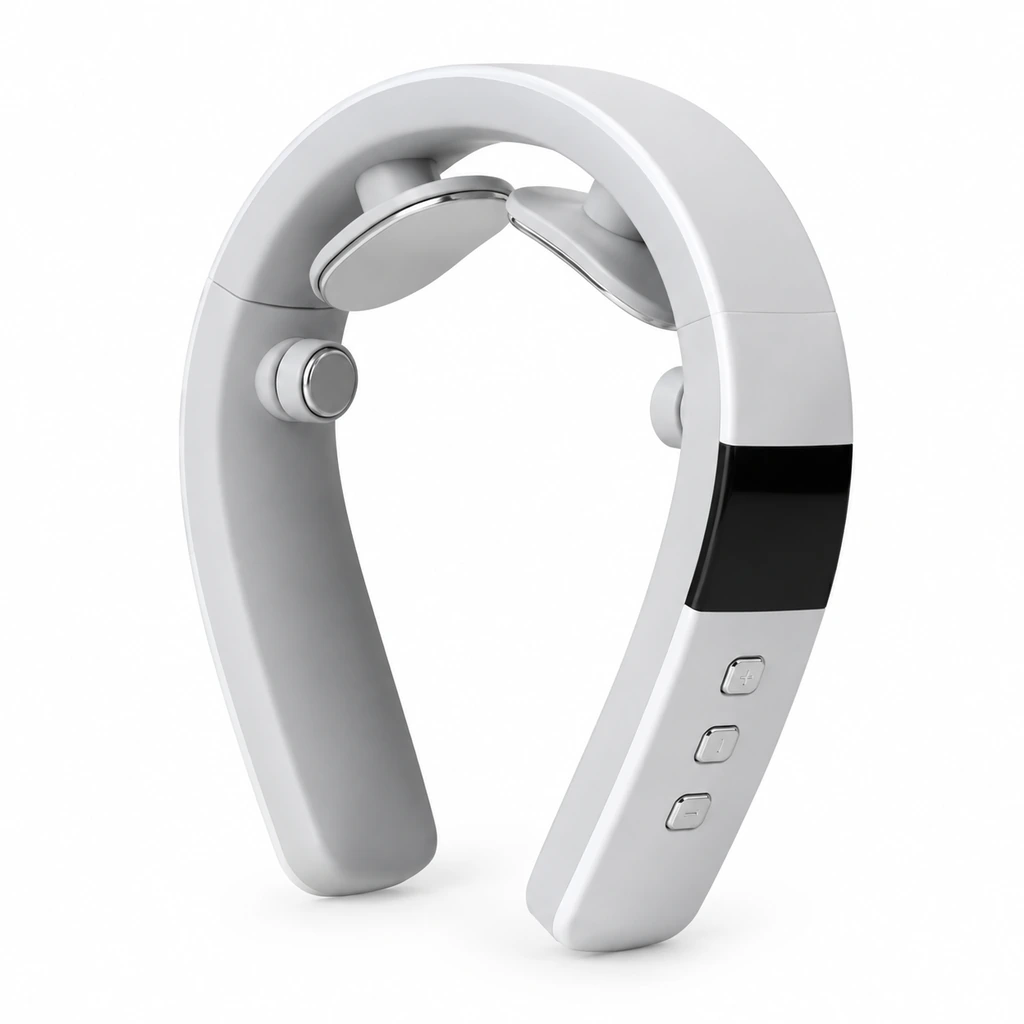 Meilan Q1 Smart Electric Neck Massager View model details
Products and selection
Compare relevant models
Buyer facts
Facts to compare
| Parameter | Value or status | Evidence scope |
|---|---|---|
| Q1 contact layout | 4 heads | TENS Pulse and heating |
| Q1 controls | 10 modes; 16 levels | Device-specific scale |
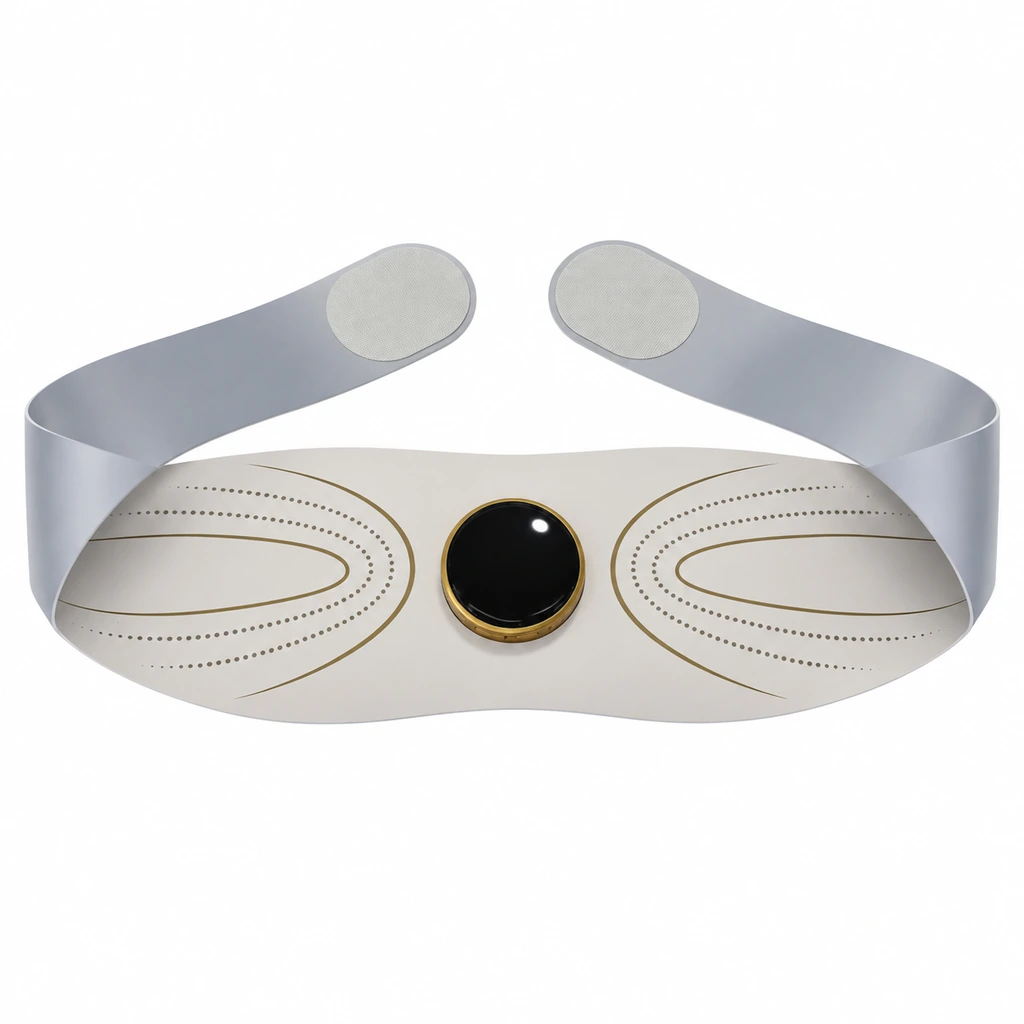
| A9 controls | 6 modes; 3 levels | EMS Pulse |
Meilan manufacturing profile
Meilan at a glance
Purchasing considerations
Before you order
What the term means
- Acupressure on Devices
Acupressure is a pressure-based bodywork concept associated with named points. On devices, the term can describe physical contacts or a simulated program, which need different explanations.
Published implementation and related model scope
- Catalog examples
Q1 and A9 illustrate contact-layout and simulated-mode wording, not a verified traditional-point treatment system.
Buyer guide
Selection guide
Does acupressure wording mean the device mechanically presses a point?
Acupressure wording does not necessarily mean a device mechanically presses a point. A catalog can use the term for an electrical program, a shaped contact or an airbag arrangement. Q1 publishes four heads together with a TENS Pulse and heating function, ten modes and sixteen intensity levels. The head count describes contact construction, while the program labels do not establish a mechanical pressing action. A9 lists EMS Pulse and six modes, including simulated manual techniques. These examples show why the actual function field is more useful than treating a familiar bodywork word as a hardware description.
How can acupressure language be used clearly in a retail range?
Acupressure language is clearest when the description immediately explains whether it concerns contact layout or a selectable program. A customer then understands the offered mechanism instead of expecting an unproved technique. Q1's four-head pulse-and-heat design is a specific configuration; it should not inherit a pressure measurement or point map from a different product. The same applies to an airbag model whose feature text uses acupoint wording. More contacts can change coverage, but count alone does not show the pressure distribution, fit or a clinical result. The current records do not publish a verified anatomical-point map or a standardized force at each contact.
Purchasing FAQ
Common buying questions
Does a mode name prove physical pressure?
No. A named pulse program can simulate a technique without mechanical pressing.
How many heads does Q1 publish?
Q1 publishes 4 heads in its TENS Pulse and heating configuration.
Does A9 publish six pressure units?
No. It publishes 6 modes, not pressure values.
How can acupressure language be used clearly in a retail range?
Acupressure language is clearest when the description immediately explains whether it concerns contact layout or a selectable program. A customer then understands the offered mechanism instead of expecting an unproved technique.
Does more contact count establish better treatment?
No. Count alone does not establish pressure distribution or a clinical result.
Talk to Meilan
Discuss your sourcing brief
Share your target market, model, quantity and branding needs. We will review the right configuration with you.
