

Technical guide
Vibration Massage: Controls and Model Data
Vibration is repeated mechanical oscillation, but level counts are not a measured frequency or displacement.
More context
T1 publishes 3 speed levels; F20 combines vibration with 10 pulse modes and 16 intensity levels. Y8 also lists vibration. The current records do not publish a directly comparable vibration-frequency or displacement range.
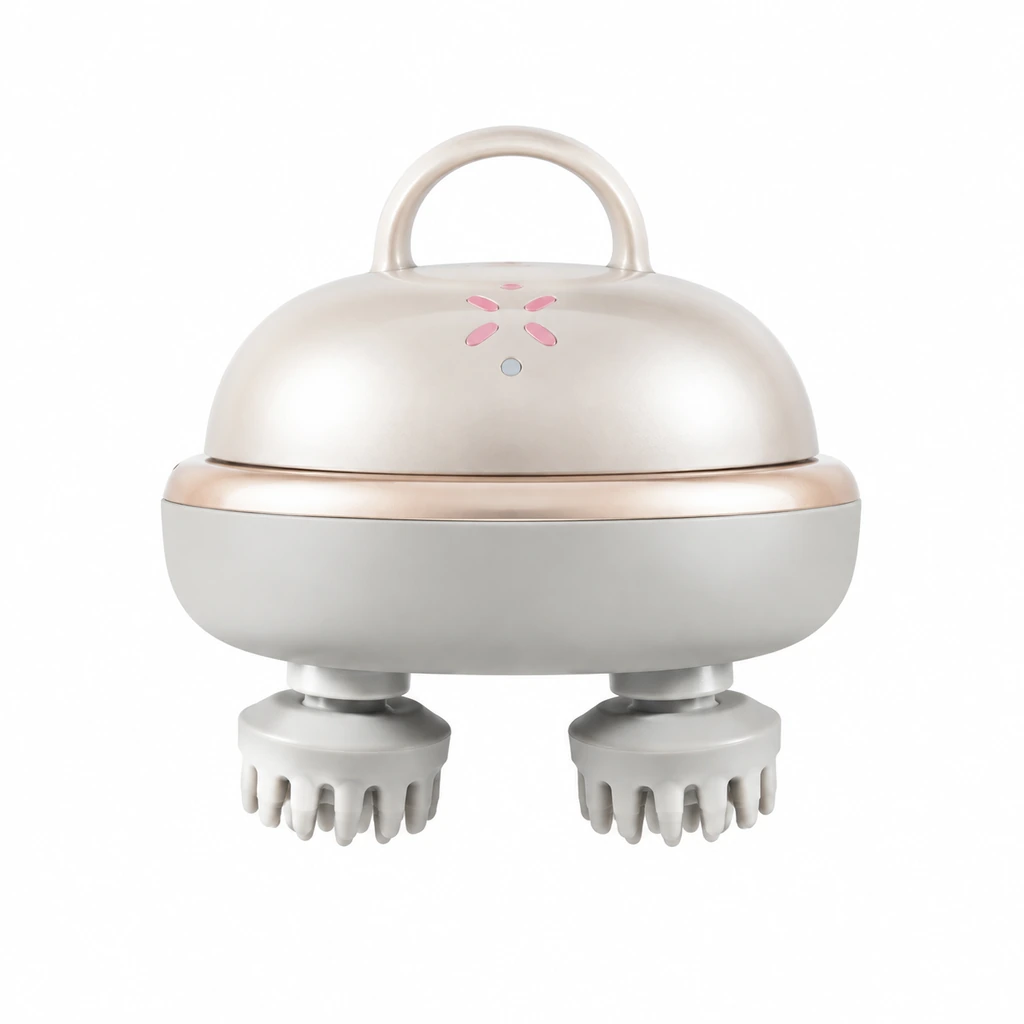 Meilan T1 Smart Electric Scalp Massager View model details
Products and selection
Compare relevant models
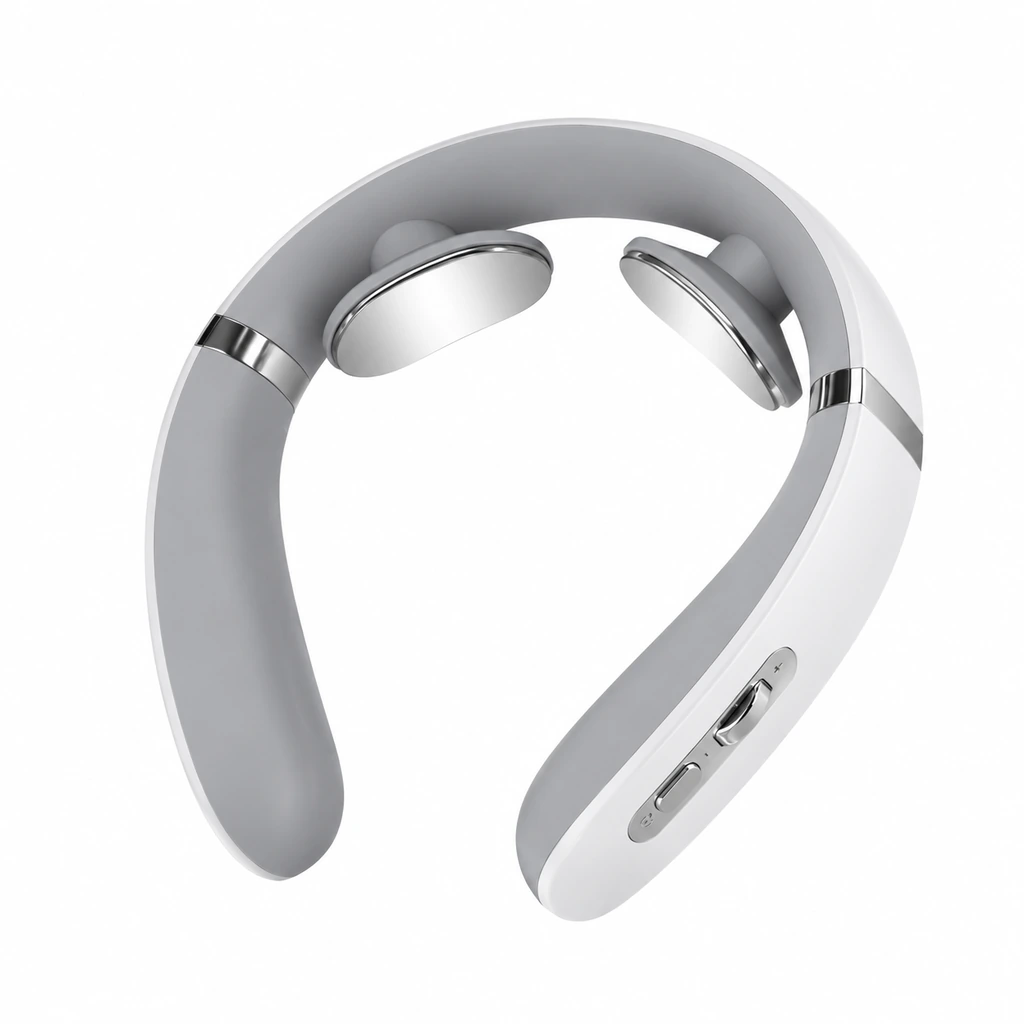
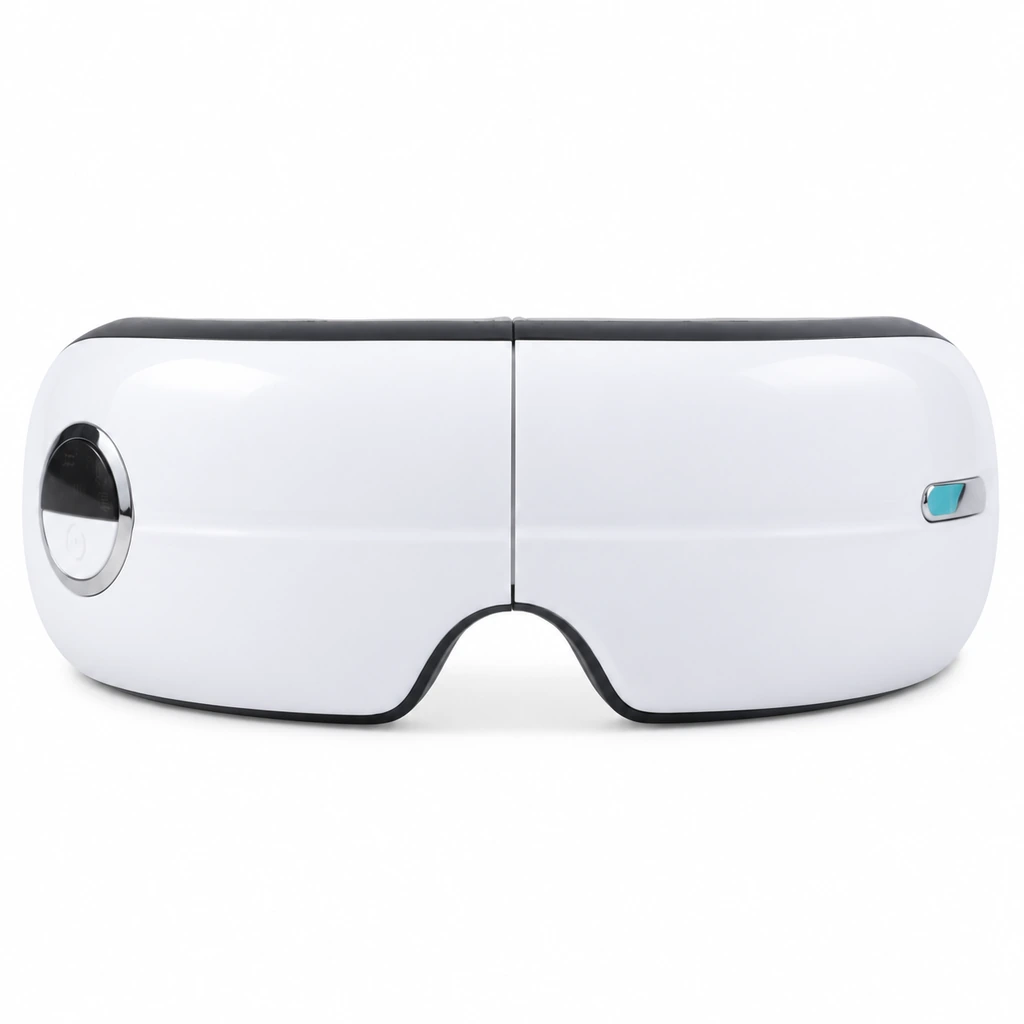
Buyer facts
Facts to compare
| Parameter | Value or status | Evidence scope |
|---|---|---|
| T1 | Motor vibration; 3 speeds | Published record |
| F20 | Vibration; 10 modes; 16 levels | Combined pulse/vibration configuration |
| Y8 | Motor vibration; 4 modes | Also airbag, heat and music |
Meilan manufacturing profile
Meilan at a glance
Purchasing considerations
Before you order
What the term means
- Vibration Massage
Vibration is mechanical oscillation. Frequency describes cycles per unit time, displacement describes movement size, and contact conditions affect how the motion is transmitted.
Published implementation and related model scope
- Catalog examples
T1, F20 and Y8 explicitly list vibration. Their controls are reported within each model's published scope.
Buyer guide
Selection guide
Which published controls actually describe vibration?
A published vibration function identifies mechanical oscillation, while a control count needs its own scope. T1 lists motor vibration and three speed levels, making the speed count directly relevant to its operating choices. F20 lists pulse, vibration and heating with ten modes and sixteen intensity levels. Those combined-function controls do not establish sixteen measured vibration amplitudes. Y8 also identifies motor vibration alongside airbag, heat and Bluetooth music. None of these records publishes vibration frequency in hertz or displacement in millimetres. The absence matters because a level on one product is not a common unit shared with another product. Different housings, contact materials and motor arrangements can transmit motion differently even at similar drive speeds.
Why do frequency, displacement and contact design matter separately?
Frequency, displacement and contact design describe different aspects of a vibration experience. Frequency is how often motion repeats; displacement is the distance of that motion; the contact interface influences how it reaches the user. A motor may create vibration through an eccentric rotating mass or another construction, but the current records do not disclose that assembly in model-level detail. They also do not provide a standardized loaded measurement. Consequently, the phrase multi-frequency in a feature list cannot become an invented hertz range, and a device's rated electrical power is not a direct measure of felt vibration. For a retailer, the defensible description is the published mechanism and available operating choices.
Purchasing FAQ
Common buying questions
Does vibration mean electrical stimulation?
No. Vibration is mechanical motion; electrical pulse stimulation is a different function.
Does F20 have sixteen published vibration amplitudes?
No. Its sixteen-level field does not supply measured vibration amplitudes.
Which example publishes three speeds?
T1 publishes 3 speed levels in its motor-driven mechanical-contact configuration.
Why do frequency, displacement and contact design matter separately?
Frequency, displacement and contact design describe different aspects of a vibration experience. Frequency is how often motion repeats; displacement is the distance of that motion; the contact interface influences how it reaches the user.
Does rated power rank felt vibration strength?
No. Power input and transmitted mechanical motion are different quantities.
Talk to Meilan
Discuss your sourcing brief
Share your target market, model, quantity and branding needs. We will review the right configuration with you.
