


Warming Belt Fit and Adjustability: What Buyers Should Check
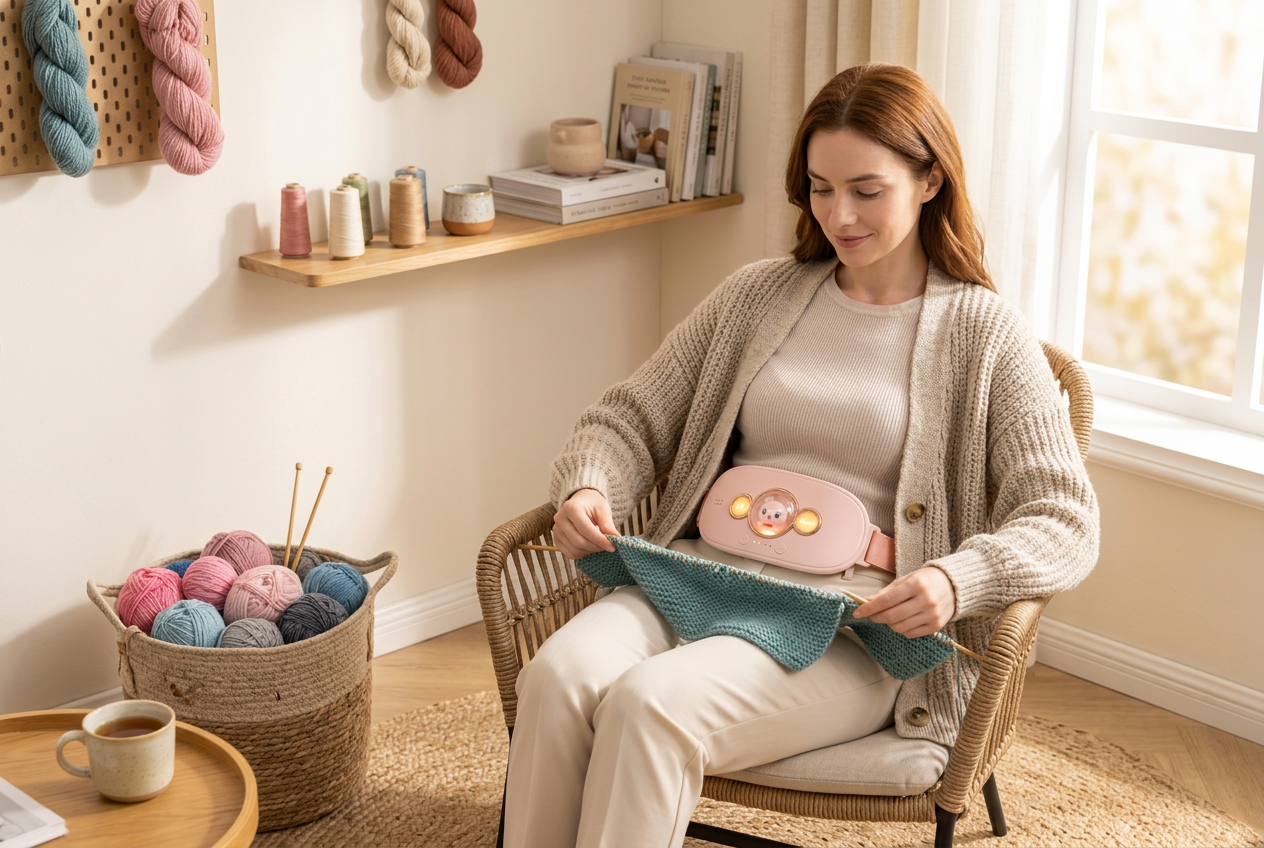
For a buyer, useful fit evidence is the complete belt length, usable adjustment interval, fastening stability and wearing behavior on the quoted sample. Using Meilan N1 as an example, measure the strap and check the intended clothing and posture before approving fit copy. The sample record should state the garment layer and the fastening positions so another reviewer can repeat the check.
1. Define the N1 Version and the Wearing Scenario
Start with the channel brief: who will receive the belt, whether it is offered as a personal-care retail item or gift, the expected clothing layer, and the activities shown in product images. A gift buyer may need a fit explanation that is clear without in-store assistance; a brand may need a size policy and customer-support script. Neither need is answered by a single model photograph.
The N1 materials identify separate remote-control and voice-control configurations. Ask the supplier to identify the quoted SKU, color, control version, manual revision and sample ID before checking fit. The strap and housing seen in one photograph should be matched to the same quoted version. Record any differences between the sample, web listing, instruction sheet and gift box before approving retail copy.
2. Measure the Whole Belt, Not Only the Device Body
The N1 specification lists a 200 × 90 × 35 mm product size. That is a useful housing reference, but it does not state the complete strap length, its usable adjustment span, or a wearer circumference. Buyers should therefore collect the missing dimensions from an actual quoted sample rather than convert the housing size into a “fits most” statement.
| Measurement | How to record it | Why it matters |
|---|---|---|
| Full strap length | Lay the belt flat without stretching; photograph the tape from end to end. | Shows the supplied component, not the usable circumference. |
| Fastening overlap | Record the shortest and longest secure fastening positions and the overlap at both ends. | A belt can reach a circumference yet have too little secure overlap. |
| Worn circumference | Measure on the intended clothing layer with the unit centred and the strap fastened. | Connects the flat measurement to the actual wearing condition. |
| Housing and strap | Record body width, strap width, edge position and contact-area alignment. | Explains whether the unit sits where the use instructions expect it. |
Measure more than one physical sample if a fit range will become a selling point. Record units, tape position, whether fabric was stretched, and the sample revision. A claim about a user population also needs an agreed size definition; a product dimension alone cannot establish it.
3. Check Adjustment, Fastening and Placement
On the sample, follow the fastening sequence a buyer would actually use: place the device at the instructed position, pull both sides evenly, secure the closure and release it again. Record whether the strap twists, whether the adjustment slips after repeated opening, and whether the main unit stays centred. Photograph the fastening at its shortest and longest usable positions, including the remaining overlap. Do not describe a closure type or durability result until the supplied sample confirms it.
The N1 instruction diagram identifies a strap and a heating area, while its safety notes call for correct placement and a snugly fastened belt. For procurement purposes, “snug” needs an observable check: stable placement without the strap folding, the housing tilting or the wearer needing to over-tighten it. If control buttons or the charging opening become hard to reach after fastening, record that as a usability finding for the exact sample.
4. Compare Clothing Contact and Movement
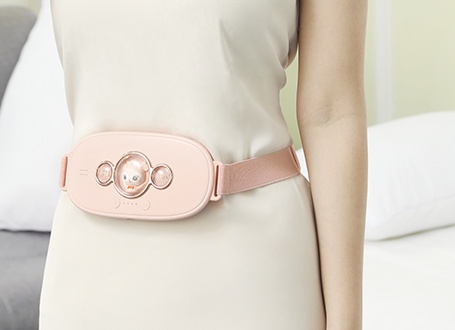
Test the proposed retail scenario rather than treating a photograph as a fit result. Use the same garment type and layer for each sample, then check standing, seated and a simple bend or reach. Record whether the unit shifts, the strap rolls, the garment bunches, or the closure loosens. Note the person’s measured circumference and the garment thickness or type; avoid collecting unnecessary personal details. A difference between seated and standing fit may change the size guidance or imagery that a brand can responsibly publish.
Do not infer thermal comfort from appearance. Clothing thickness, placement, selected setting and duration can change the contact condition. The N1 instructions caution against prolonged direct skin contact; obtain the manual for the quoted version and agree a separate temperature/contact test before describing a particular clothing layer as suitable. Fit observations and heating measurements belong in separate records.
| Trial condition | Record at start | Record after movement |
|---|---|---|
| Standing over the intended garment | Position of housing, fastening overlap, button access. | Shift, rolling, pressure points, release or slippage. |
| Seated over the same garment | Housing angle and strap position at the waist. | Bunching, edge contact, control access and any adjustment needed. |
| Change of clothing layer | Garment type and thickness; repeat the same fastening method. | Change in overlap and position; do not infer a safe heat setting. |
5. Match the Fit Procedure to the Instructions
A sample may physically fit while the proposed how-to photograph conflicts with the manual. Compare the version-specific instructions, product image and actual demonstration for placement, tightening, controls and caution text. The N1 instructions distinguish the strap and heating area and contain use limitations. Ask the supplier for the current language version intended for the destination market; do not copy a photograph’s styling as an operating instruction.
Keep fit and effectiveness separate in customer-facing copy. “The belt can be adjusted to the measured positions on this sample” is a dimensional observation if recorded accurately. “Fits every body,” “safe on any garment,” or a pain-relief promise reaches beyond a fit test. Health-outcome and safety wording needs separate product-specific evidence and market review before it appears in listings or on packaging.
6. Check Packaging and Size Guidance Before Artwork Approval
For gift and online channels, the box, insert, product-page image and return-policy language may be the only fit guidance a recipient sees. Ask for a packed sample and the artwork files for the quoted N1 version. Confirm that the belt is presented without creating a false impression of its length, that any size statement uses the same measurement method as the sample record, and that the included instructions show the actual control version. A package photograph can show what one box says; it does not approve the current order’s artwork.
If the tested span is narrower than the audience brief, the commercial decision may be to revise the audience wording, request a different strap configuration, or choose another model. Ask whether any proposed strap change alters the sample, carton dimensions, instructions or quality checks. Keep the approved master size wording with the final artwork so a repeat order does not restore an older range.
7. Use a Fit Decision Table for the RFQ
Make approval conditional on the measured quoted sample and its matching documents. The table separates a pass requirement from a test still to be run and a question the supplier must answer. It is more useful than a generic “adjustable” label because it tells the buyer what can be approved today and what must wait.
| Buyer decision | Evidence to keep | Status for the quoted N1 sample |
|---|---|---|
| Confirm exact version | SKU, color/control option, current manual, dated sample photograph. | Supplier response required. |
| Confirm measurable fit span | Full strap length, secure overlap at both ends, worn-circumference trials. | Sample measurement required. |
| Confirm placement and retention | Standing and seated photographs, movement notes, control access. | Sample trial required. |
| Confirm contact and usage text | Matching instructions and separate temperature/contact record. | Document and test review required. |
| Approve packaging and listing | Final size method, imagery, instructions, artwork revision and claim review. | Approve only after the preceding records match. |
For the RFQ, send the intended market, garment layer, measured user-size range you need to serve, gift or retail format, and requested control version. Ask for an N1 sample, the complete belt and fastening measurements, current instructions, fit photographs and final packaging proof. A supplier can then quote the configuration against a defined acceptance plan rather than an undefined promise of universal fit.
Buyer FAQ
Does the N1 product size tell me which waists it fits?
No. The listed 200 × 90 × 35 mm figure describes the device body. Measure the supplied strap and usable fastening span on the quoted sample.
Can I call the belt one-size-fits-all?
Only if an approved, defined size range and representative sample checks support that wording for the target market. Do not infer it from a model photograph.
Should fit be checked over clothing?
Check the clothing condition you intend to show or recommend, then compare it with the current manual. Keep any heat-contact decision in a separate test record.
What should I photograph during sample review?
Capture the full flat belt with a tape, both fastening extremes, front and side wearing views, and the same views seated.
Is a snug fit proof of comfort or effectiveness?
No. It is one observable placement condition. Comfort varies by wearer; health outcomes require their own evidence and review.
Use the Meilan N1 product page to identify the model, browse the waist massager collection for alternatives, or request an N1 sample and fit records with your market and target garment scenario.

