

Technical guide
Shiatsu-Style Massagers: Mechanical vs Pulse
A shiatsu-style label describes a pressure or kneading impression, not one standardized mechanism.
More context
T1 publishes 4 silicone heads with 96 nodes and rotary kneading. F6 publishes 10 pulse modes, including simulated manual techniques. These are different constructions; a pulse-program name does not prove a mechanical shiatsu assembly.
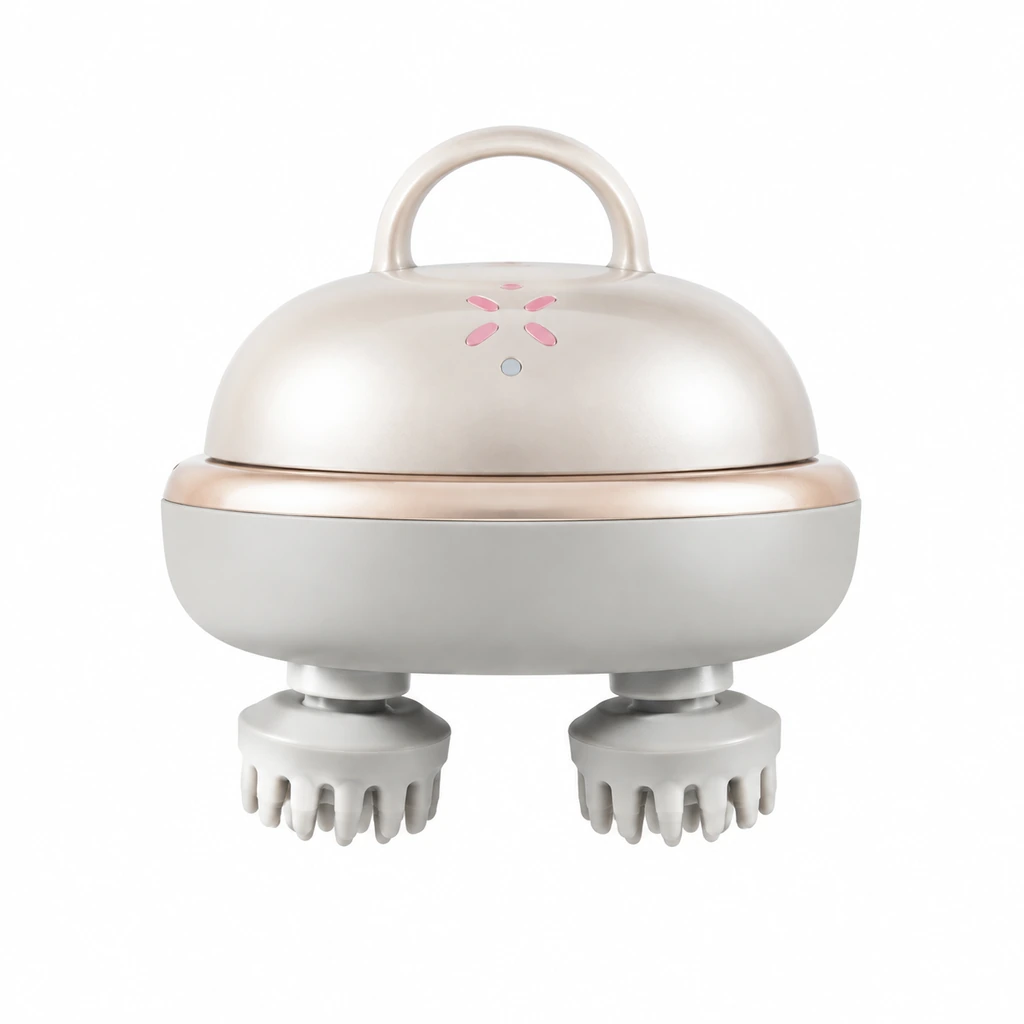 Meilan T1 Smart Electric Scalp Massager View model details
Products and selection
Compare relevant models
Buyer facts
Facts to compare
| Parameter | Value or status | Evidence scope |
|---|---|---|
| Mechanical example | T1 | 4 heads; 96 nodes; rotary kneading feature |
| Pulse example | F6 | 10 modes; 16 levels; simulated techniques |
Meilan manufacturing profile
Meilan at a glance
Purchasing considerations
Before you order
What the term means
- Shiatsu-Style Massagers
Shiatsu is a Japanese pressure-based bodywork tradition. Consumer device wording such as shiatsu-style commonly describes an impression of pressure or kneading rather than equivalence to a practitioner's treatment.
Published implementation and related model scope
- Catalog examples
T1 supports a mechanical rotary-kneading discussion. F6 is linked specifically as the contrasting pulse-mode example, not a mechanical shiatsu model.
Buyer guide
Selection guide
How do moving nodes differ from a simulated shiatsu mode?
Moving nodes create mechanical contact, whereas a simulated shiatsu pulse mode describes an electrical program. This is the essential distinction behind two superficially similar product descriptions. T1 publishes four silicone heads with ninety-six nodes and rotary kneading in its feature list. Its record also identifies motor vibration and three speed levels. F6, by comparison, publishes pulse and heating functions with ten modes and sixteen intensity levels; its reference to shiatsu is part of simulated manual techniques. The word does not add an undocumented mechanical kneading assembly to F6. These constructions create different expectations for handling, contact, cleaning and display language.
What does a shiatsu label leave unresolved for wholesale selection?
A shiatsu label leaves force, contact travel and intended body placement unresolved unless the actual product specification supplies them. The number of nodes is not the same as pressure, and the number of programs does not measure kneading depth. T1's four heads and ninety-six nodes describe its contact arrangement, while F6's ten modes describe its program selection. Neither numerical description alone establishes how a particular person will experience the product. A mechanical product also has its own care and access requirements; removable heads do not imply that the complete powered enclosure can be washed. The retailer's presentation is clearest when it describes the documented action, controls and contact materials without promising professional treatment.
Purchasing FAQ
Common buying questions
Does shiatsu always mean rotating rollers?
No. The term is used across different device constructions.
Does F6 publish a mechanical shiatsu assembly?
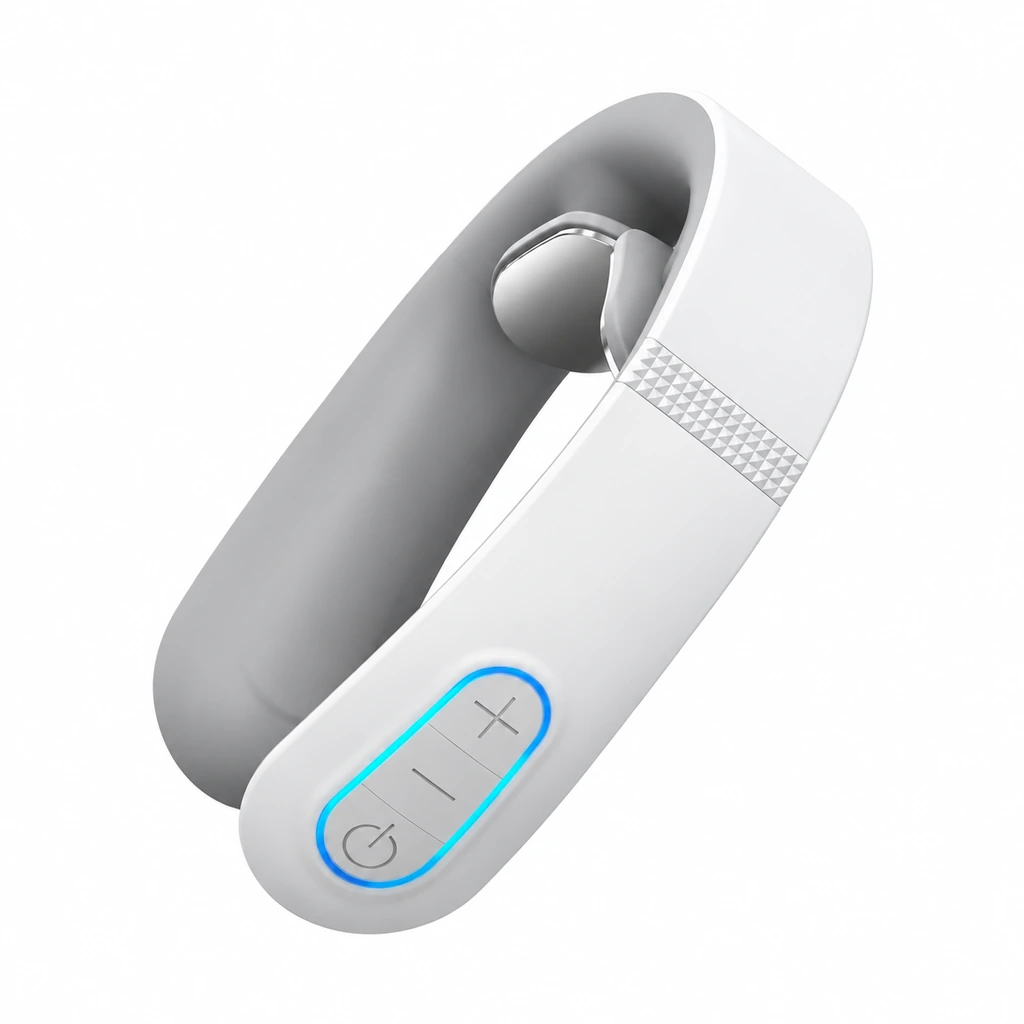
No. F6 describes pulse modes simulating manual techniques.
What mechanical contact does T1 publish?
T1 publishes 4 silicone heads with 96 nodes and a rotary-kneading feature.
Do ninety-six nodes establish massage force?
No. Node count describes layout, not force.
Does removable silicone mean the full device is washable?
No. Component cleaning and complete-enclosure water protection are different scopes.
Talk to Meilan
Discuss your sourcing brief
Share your target market, model, quantity and branding needs. We will review the right configuration with you.
