

Technical guide
EMS in Massagers: Definition and Parameters
EMS means electrical muscle stimulation, a mechanism that uses electrical pulses through electrodes.
More context
The published A9 record identifies EMS Pulse with 6 modes and 3 intensity levels. Those numbers describe selectable programs and controls; they do not establish waveform, current, medical authorization or an outcome for every user.
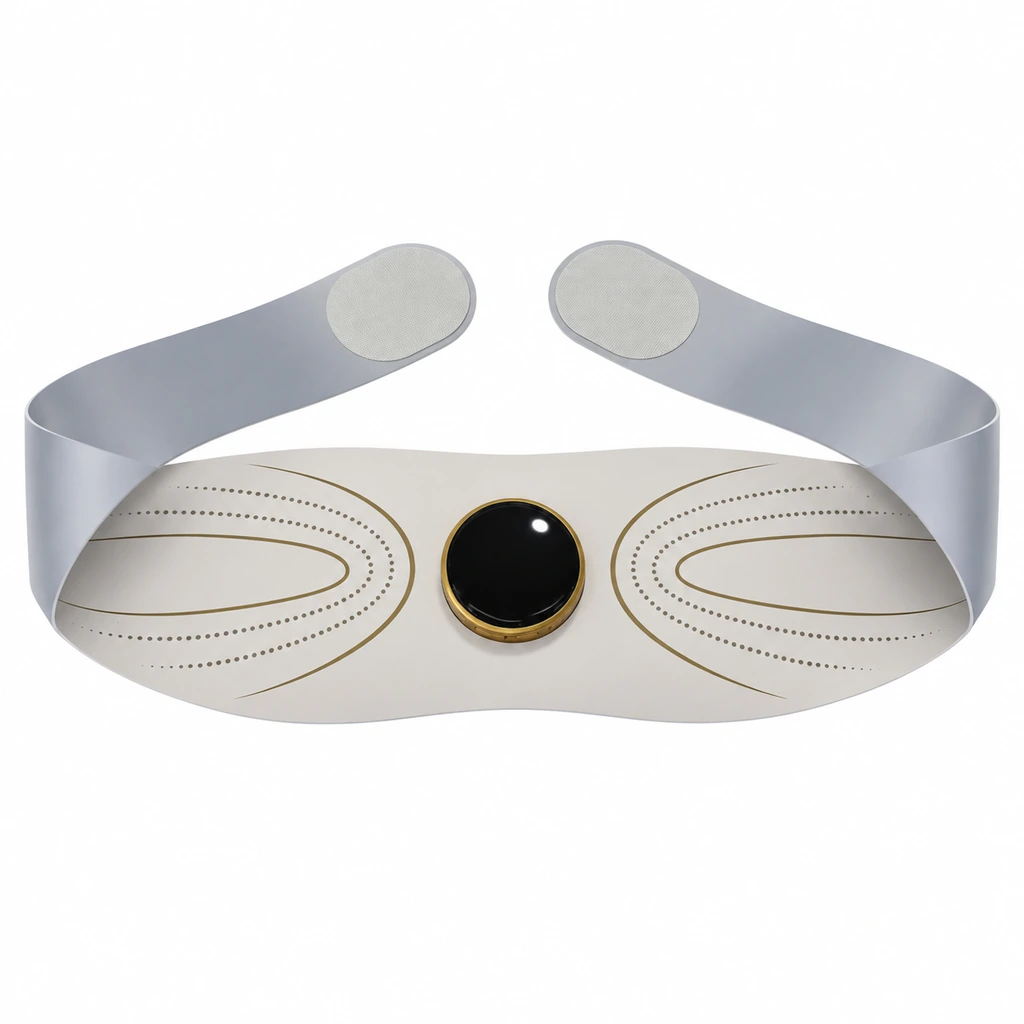 Meilan A9 Smart EMS Waist Massager View model details
Products and selection
Compare relevant models
Buyer facts
Facts to compare
| Parameter | Value or status | Evidence scope |
|---|---|---|
| Published example | A9 | EMS Pulse |
| Selectable programs | 6 modes | A9 record |
| Intensity adjustment | 3 levels | Device-specific scale |
Meilan manufacturing profile
Meilan at a glance
Purchasing considerations
Before you order
What the term means
- EMS in Massagers
Electrical muscle stimulation uses an electrical output applied through electrodes to stimulate muscle. A product's intended use and documented output determine what the label means in that configuration.
Published implementation and related model scope
- Catalog examples
A9 explicitly publishes EMS Pulse, 6 modes and 3 levels. The current record does not supply a waveform or output-current range.
Buyer guide
Selection guide
What does an EMS specification actually tell a buyer?
An EMS specification identifies an electrical stimulation mechanism, while its parameter sheet determines how much can be compared. A9 is a concrete catalog example: its function is published as EMS Pulse, with six modes and three intensity levels. A mode is a program choice, and an intensity level is a step on that device's own control scale. Neither is a universal electrical unit. Two products with the same number of levels can still have different waveforms, pulse widths, frequencies and maximum outputs.
How is EMS different from a TENS or vibration label?
EMS, TENS and mechanical vibration describe different mechanisms or intended-purpose contexts. EMS refers to muscle stimulation; TENS expands to transcutaneous electrical nerve stimulation; vibration comes from mechanical motion. A product can combine functions, but a mode name such as kneading does not independently prove that it contains a mechanical kneading assembly. The current A9 record identifies EMS Pulse, while F10 identifies TENS Pulse and heating. This difference is useful for range architecture because the products should not receive identical technology descriptions simply because both use body-contact electrodes. It also prevents a retailer from transferring pain-treatment or rehabilitation wording from an unrelated device.
Purchasing FAQ
Common buying questions
Is every electrical massager an EMS device?
No. The actual function and intended use determine the description; a pulse function alone is insufficient.
Does A9 have six output strengths?
No. A9 publishes 6 modes and 3 intensity levels, which are different controls.
Can three levels be compared directly with sixteen?
No. The scales are device-specific and do not give a common current measurement.
How is EMS different from a TENS or vibration label?
EMS, TENS and mechanical vibration describe different mechanisms or intended-purpose contexts. EMS refers to muscle stimulation; TENS expands to transcutaneous electrical nerve stimulation; vibration comes from mechanical motion.
Does EMS prove a medical indication?
No. The label does not establish authorization or a permitted treatment claim.
Talk to Meilan
Discuss your sourcing brief
Share your target market, model, quantity and branding needs. We will review the right configuration with you.
